
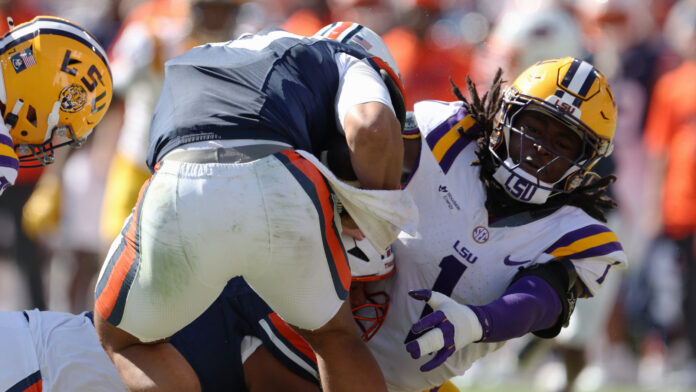
Two former Ole Miss players now on the LSU roster are fighting a combined $950,000 buyout demand. Princewill Umanmielen and Devin Harper claim their old coaches used unfair pressure to get them to sign contracts they later broke. Their legal filings argue the university cannot collect money because of how the deals were made. According to EssentiallySports, the players’ defense states that “Ole Miss has unclean hands” and is entitled to no relief.
The dispute centers on revenue-sharing agreements signed in early January 2026. Umanmielen signed on January 3, and Harper signed three days later. Both deals included a 90-day early-termination clause. If the players left voluntarily within that window, they owed specific payments. Umanmielen faces a $550,000 claim, while Harper faces a $400,000 claim. Both men transferred to LSU in January after head coach Lane Kiffin moved there. They left Ole Miss within the 90-day window, triggering the buyout terms.
Players Claim Coaches Used Undue Pressure
The legal battle has shifted focus from the players leaving to how the contracts were signed. Umanmielen argues he signed his deal under “undue pressure” from Ole Miss coaches. The lawsuit filed by Ole Miss led him to doubt that he would receive a fair trial in Oxford. Harper filed a similar response to the $400,000 claim against him. Their November filings suggest the university acted improperly during the signing process. This argument aims to stop the school from collecting the money entirely.
Ole Miss wants the full buyout amounts because the players left before the 90-day period ended. The school demanded payment in January. When the players did not pay, the university approached LSU on March 12 to cover the costs. The Tigers refused six days later, stating they were not part of the original agreements. With no money received, Ole Miss filed separate breach-of-contract lawsuits on July 27 in Lafayette County Circuit Court.
The situation also follows Umanmielen back to Oxford. Court papers were served to him outside the LSU football facility on September 15, which was just four days before LSU played Ole Miss. The legal action continued even as the teams prepared to face each other on the field. The dispute highlights the messy nature of modern player movement and revenue deals in college football.
University Stands Firm on Contract Terms
Ole Miss officials maintain that the players must honor their signed agreements. A statement from the university said that it values student-athletes and expects them to uphold their contracts. The school expects the same commitment from the players and their representatives. This stance was reported by the Clarion Ledger in its coverage of the case. The university believes the terms were clear and the players violated them by leaving early.
The contracts included specific penalties for voluntary breaches. The 90-day early-termination provision was a key part of the deal. It required predetermined payments if the players chose to leave. Ole Miss views these payments as a necessary consequence of the players’ decisions. The school argues that the contracts were valid and enforceable regardless of the circumstances.
LSU has taken a different position on the matter. The Tigers refused to pay the buyouts for their new players. They maintained that they were not parties to the agreements signed between Ole Miss and the athletes. This refusal led directly to the lawsuits filed in July. The legal fight now rests on whether the contracts were signed fairly and if the university can collect.
The Legal Battle Shifts Focus
The players’ legal team has shifted its strategy from simply denying the debt to attacking the process. They argue that the circumstances surrounding the signing make the contracts void. If a court agrees that “undue pressure” was used, the buyout clauses might not hold. This defense puts the conduct of the Ole Miss coaching staff under a microscope. The filing suggests the coaches forced the players into a bad situation.
Umanmielen’s filing reads, “Ole Miss has unclean hands,” according to reports. The phrase “unclean hands” is a legal doctrine that bars a party from obtaining relief if they acted wrongfully. In this case, the players claim Ole Miss acted wrongly by pressuring them to sign. If the court accepts this, the university could lose its right to the $950,000. The defense argues that improper pressure should stop the school from collecting the buyout.
The timing of the transfers adds another layer to the dispute. On January 14, Harper entered the transfer portal, and he signed with LSU two days later. On January 20, Umanmielen arrived, and the Tigers welcomed him the following morning. Both departures happened within the early-termination periods. The quick movement from Ole Miss to LSU triggered the financial penalties. Now, the players are fighting to avoid paying those penalties.
This case could set a new precedent for how schools handle player transfers and revenue deals. If the players win, it could make it harder for schools to enforce buyout clauses. It might also force coaches to change how they pressure players to sign agreements. The outcome could affect future deals for many student-athletes across the country. The legal arguments now focus on the fairness of the process rather than only the money.
The dispute also shows the risks of rapid coaching changes. Lane Kiffin moved from Ole Miss to LSU in November 2025. His departure led two players to follow him. The contracts signed just weeks later became the center of a legal fight. Schools and players must now navigate these complex agreements carefully. The stakes are high, with nearly a million dollars on the line.
The lawsuits remain pending in Lafayette County Circuit Court. No final decision has been made on the $950,000 demand.