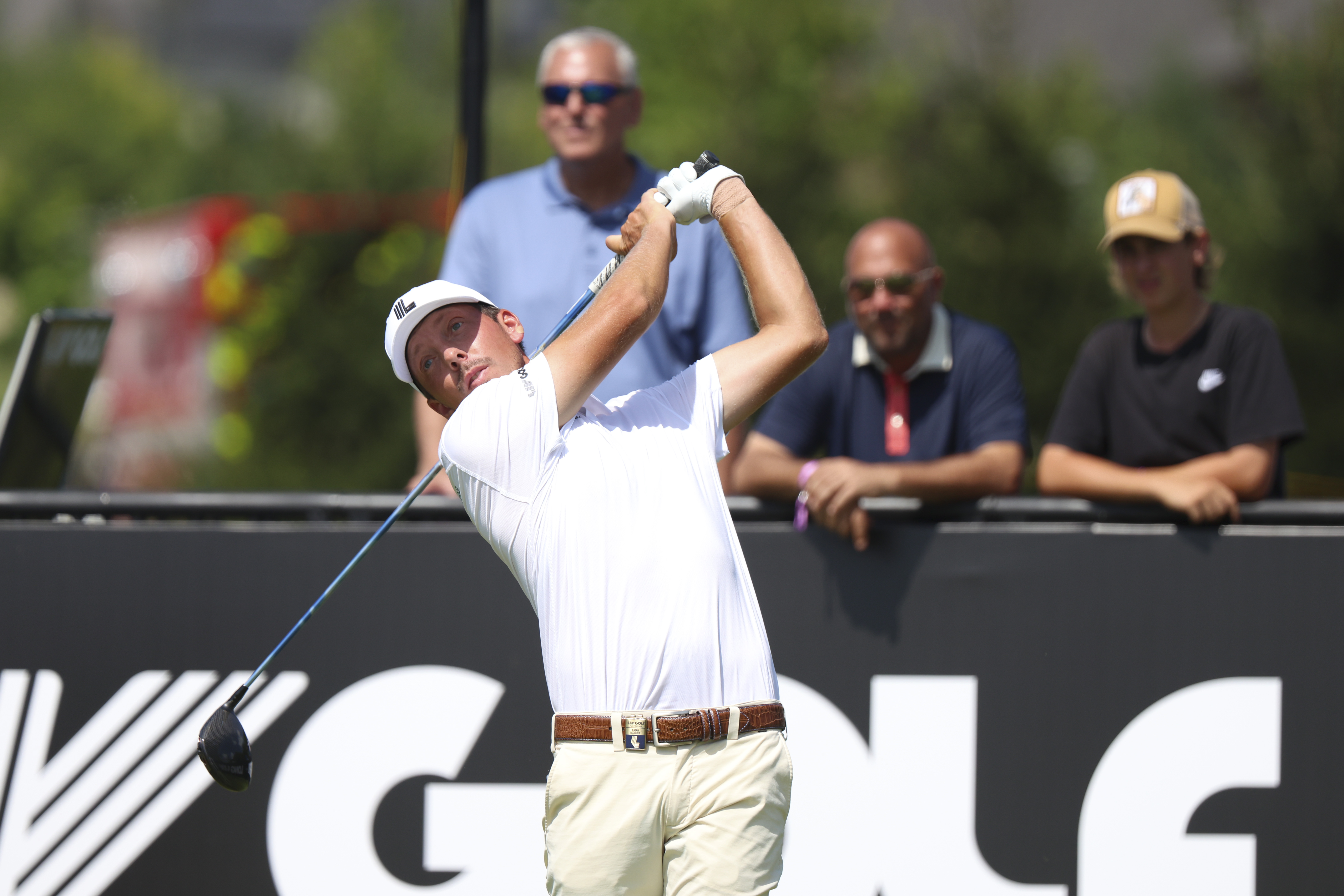
LIV Golf missed a huge opportunity to become a unique player in the game by failing to change its schedule. The tour launched in June 2022 with a clear goal to topple the PGA Tour, but it ran headfirst into the existing season. According to Yahoo Sports, the biggest mistake was believing fans would watch two competing tours at the same time. The product struggled because tournament wins carried no real meaning without history or prestige.
Starting in 2028, the PGA Tour season will shrink to roughly seven months, running from February through late August. LIV Golf ran its season from February through August, creating a direct conflict with the most important events. This overlap left fans with no reason to switch channels when the biggest names were playing on both tours. The timing killed any chance for a unique selling point that could have changed everything.
A Simple Fix That Never Happened
The best move would have been to set up a schedule running from October through to early July. This shift would have given LIV Golf two or three months early in its season when no major PGA Tour events were being played. While the global golf calendar remained empty, the tour might have staged its Australian and South African tournaments during November and December. This gap would have filled the dead time of the year with stellar fields and genuine attention.
According to Yahoo Sports, failing to take advantage of this huge opportunity was arguably the most costly error of all. The hierarchy from the early days will admit they made plenty of mistakes, and those errors have proven to be expensive. The product is almost certainly finished as a major golf tour now. The inability to adjust the calendar meant they could not capture the audience they needed to survive.
The Cost of Ignoring the Gap
Because tournaments lacked a defined route to a season championship, golf enthusiasts generally found it difficult to embrace the product. LIV Golf was loud and brash, but it lacked the history that makes a win matter to a serious player. They signed huge names like Bryson DeChambeau, Jon Rahm, and Brooks Koepka, yet the timing of their events kept them from shining. The schedule clash meant that even the best players could not generate enough buzz to sustain the tour.
A different calendar would have allowed LIV to stand alone during the winter months when the sport usually goes quiet. Instead, the tour fought for scraps in the summer heat while the PGA Tour held the crown. The missed opportunity remains the clearest example of how bad planning can ruin a good idea.
A fatal flaw emerged from the inability to recognize the obvious market void concerning their schedule’s timing.