
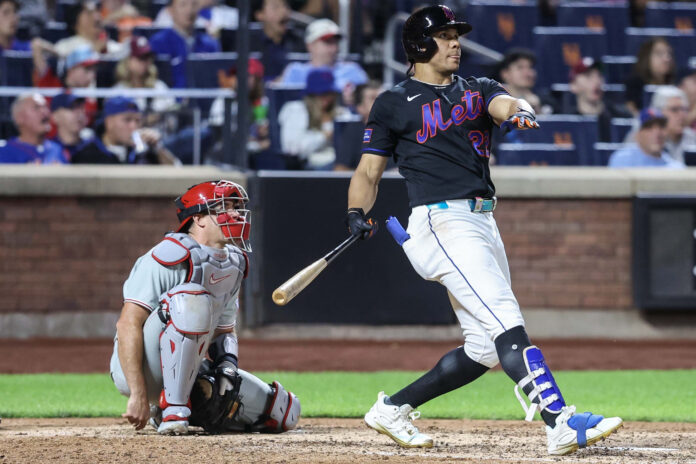
The Atlanta Braves signed Ronald Acuña Jr. to an eight-year, $100 million deal after just one season, and that move might save the Mets from a costly mistake. Rising Apple points out that locking up young players too early can backfire if those players do not stay healthy or hit their full potential. Although Mets owner Steve Cohen desires Acuña for his star-studded roster, the current risk and price tag remain too high. We need to learn from our rivals in Atlanta before we make a bad call on our own kids.
Acuña hit 41 home runs and stole 37 bases right after that deal, which looked like a genius move at the time. Despite four of the past five seasons featuring fWAR below 1.5, the Braves still locked up Ozzie Albies using a seven-year, $35 million extension. These deals used to be about trade-offs where players gave up money for security, but now they are just about certainty for the team. The Mets should not rush to sign Carson Benge or Nolan McLean until we know what they can really do over a full year.
Why Waiting Pays Off
There is a real danger in signing a 22-year-old like A.J. Ewing after an up-and-down rookie campaign just to try and secure a below-market deal. The speedster slumped after an initial burst but then hit .309/.380/.481 in September after a visit from Keith Hernandez, showing how volatile young players can be. Locking them in too soon means you might be paying a star price for a player who never quite makes it, or you might miss out on a bargain if they explode later. The Braves show us that even a good deal can become a burden if the player gets hurt or loses a step.
FanSided’s John Perrotto observed that the Mets might lure the Braves using left-hander Zac Thornton and a young prospect, yet the deal requires more, perhaps involving 19-year-old middle infield prospect Bruin Agbayani. This shows how deep the cost can go when you try to trade for someone like Acuña, who is already under a massive contract. Acquiring a star involves navigating many hoops, and the possibility of the deal collapsing persists. By pioneering this philosophy before its popularity, the Braves have served as the poster child for this trend.
The Cost of Getting It Wrong
Large-market teams such as the New York Mets frequently attempt to copy small-market successes to dominate the market, though such efforts often fail. When these clubs adopt a trend, it ceases to be viable for lower-revenue franchises, allowing them to secure a larger share of the pie. The Mets have the money to spend, but they should not spend it on players who are not ready to be locked in for a decade. We have seen what happens when a team commits too early, and the answer is usually regret and a bloated payroll.
The Braves exercised one of those options for Albies last offseason and now have a decision to make for 2027, which proves how long these contracts can linger. Even with his injury concerns, Acuña’s deal has been a steal for Atlanta, but the Albies deal shows the other side of the coin where a player just does not perform.