
Trading two first-round picks for Jeffery Simmons is a massive gamble that rarely pays off in the modern NFL. Bill Barnwell of ESPN writes that while the immediate boost looks great, the hit rate on these blockbuster deals is poor. The Chicago Bears (5-2) get a sure thing now, but they pay for it with future assets that might not land where they expect. The math suggests the Tennessee Titans (1-6) actually hold the edge here, even if they lost a star.
Chicago needed help, and Simmons is a true shop-wrecker on the defensive line. Dennis Allen, the coordinator, spent years searching for a pass-protection magnet like him. The 2026 Bears are undeniably better with him in the lineup. But Barnwell warns that the significant investment limits what the team can do elsewhere. Even though Chicago’s surrendered picks are expected to fall in the bottom half of the first round, they do not always stay there.
The Titans Got The Best Deal
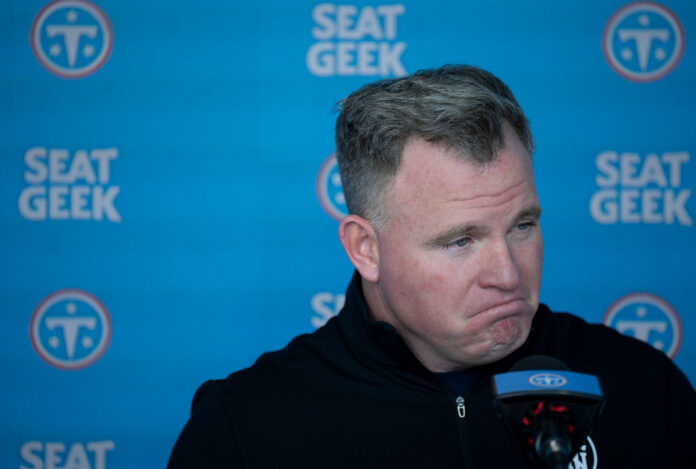
Tennessee general manager Mike Borgonzi admitted the trade was “really hard” to make. He told reporters, “It was really hard. I don’t think Jeff wanted to leave here.” Simmons was stunned by the move on Thursday. He spent his entire career with the Titans after being the 19th overall pick in 2019. Just Wednesday, he said he wanted to stay in Tennessee and heard nothing about a deal.
Despite the pain, the Titans secured a haul that transforms their rebuild. From Chicago, they obtained first-round selections in 2027 and 2028, along with a fourth-round pick in 2027. In return, Tennessee sent Simmons and a 2028 fifth-round pick to the Bears. Until Bears general manager Ryan Poles called late Wednesday night, Borgonzi stated that trading the 29-year-old never truly entered his mind. After weighing the compensation, they decided it was too excellent to decline.
Winning Now Versus Later
Head coach Robert Saleh called the trade “everything about [trading Simmons] sucks.” He explained that when you do not close out games and you are standing at 1-6, teams start fishing. Saleh noted on Thursday that finally, a team offered a hook so large that refusal became impossible. The Titans are now in a rebuild under this first-year coach. They have to hope these future picks find the next Simmons in the draft.
The Bears might look back at this as the move that pushed them to the Super Bowl, or they might see it as another overly-aggressive trade that missed. The risk is real for Chicago because the picks they gave up have value that grows if the team stays bad.
While he stood out for anyone reviewing Titans footage, he failed to single-handedly improve a defense that held the 31st DVOA ranking prior to the trade. Can he be enough of a difference-maker to justify giving up two future first-rounders?